National Building Construction Standards 2026 (SP 7:2026)
National Building Construction Standards 2026 (SP 7:2026), replacing the earlier National Building Code (NBC) 2016 framework. This updated code is expected to reshape how buildings are planned, approved, constructed, and maintained across India.
5/27/20263 min read
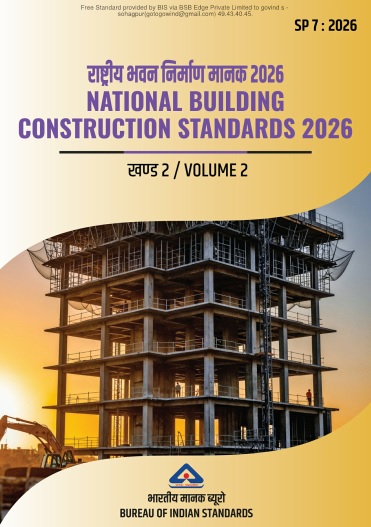
The Indian construction industry has entered a new regulatory era. The Bureau of Indian Standards (BIS) has officially introduced the National Building Construction Standards 2026 (SP 7:2026), replacing the earlier National Building Code (NBC) 2016 framework. This updated code is expected to reshape how buildings are planned, approved, constructed, and maintained across India.
For developers, architects, engineers, contractors, and property owners in cities like Bhopal, understanding these standards is now essential for faster approvals, legal compliance, and safer construction.
What is National Building Construction Standards 2026?
The National Building Construction Standards 2026 (NBCS 2026) is the latest national framework governing:
Building planning
Structural safety
Fire protection
Construction practices
Plumbing systems
Sustainability
Accessibility
Building services
Disaster resilience
It replaces the earlier National Building Code (NBC) 2016 and became effective from 30 April 2026.
The updated standard serves as a reference framework for urban development authorities, municipal corporations, architects, builders, and government agencies throughout India.
Structure of NBCS 2026: Volume 1 & Volume 2
The standards are broadly divided into two major volumes similar to NBC 2016.
Volume 1 – Planning, Design & Safety Standards
Volume 1 mainly focuses on:
1. Administrative Regulations
Building permit procedures
Occupancy certificates
Documentation requirements
Responsibilities of architects and engineers
2. Development Control Rules
FAR/FSI norms
Setback requirements
Land use compliance
Height regulations
3. Structural Design
Earthquake-resistant design
Wind load standards
Multi-hazard safety provisions
Material specifications
4. Fire & Life Safety
One of the most discussed updates in NBCS 2026 relates to fire safety provisions. Reports indicate revised classifications for high-rise safety compliance and updated evacuation standards.
5. Sustainability & Energy Efficiency
Water conservation
Rainwater harvesting
Green building integration
Climate-responsive construction
Volume 2 – Construction Practices & Building Services
Volume 2 focuses more on execution and operational systems.
1. Construction Management
Site safety
Labour welfare
Construction sequencing
Quality control
2. Plumbing & Water Supply
Water storage systems
Distribution standards
Wastewater management
STP integration
3. Electrical & Mechanical Services
Electrical safety
HVAC standards
Lift requirements
Backup power systems
4. Building Maintenance & Repair
Structural audit provisions
Seismic retrofitting
Crack repair guidelines
Maintenance protocols
5. Safety During Construction
Demolition safety
Temporary structures
Worker protection standards
These provisions continue and expand the framework seen in NBC 2016 construction management sections.
Major Changes Introduced in NBCS 2026
1. Stronger Fire Safety Norms
After multiple fire incidents in urban India, the updated standards place greater emphasis on:
Fire compartmentalization
Refuge areas
Smoke management
Evacuation planning
Fire-resistant materials
This will significantly impact:
High-rise apartments
Commercial complexes
Hospitals
Hotels
Mixed-use developments
2. Climate-Responsive Construction
The 2026 standards encourage:
Passive cooling techniques
Sustainable materials
Energy-efficient design
Heat reduction strategies
Water-efficient systems
This is especially important for rapidly urbanizing cities facing heat stress and water scarcity.
3. Multi-Hazard Structural Design
NBCS 2026 strengthens provisions for:
Earthquake resistance
Wind loads
Flood-prone areas
Structural resilience
India’s seismic vulnerability makes these provisions crucial for future urban safety.
4. Better Construction Site Safety
The code now gives greater importance to:
Worker welfare
Site barricading
Temporary support systems
Construction monitoring
Accident prevention
This can reduce legal liabilities for builders and contractors.
5. Digital Documentation & Compliance
Modern approval systems increasingly require:
Digital drawings
Online approvals
BIM-compatible documentation
Standardized submission formats
Urban local bodies are expected to gradually align their approval systems with these updated frameworks.
Why NBCS 2026 Matters for Property Owners & Developers
Faster Approval Possibilities
Projects aligned with updated standards are more likely to face fewer objections during approval processes.
Better Investment Value
Buildings compliant with modern safety and sustainability standards generally achieve:
Better resale value
Higher buyer confidence
Improved financing eligibility
Reduced Legal Risk
Following NBCS 2026 reduces:
Structural liability
Fire safety violations
Municipal non-compliance issues
Improved Safety
The primary purpose remains protection of:
Human life
Public infrastructure
Environmental sustainability
Impact on Town Planning & Building Permissions
For projects requiring:
Land use change
Building permission
Township approvals
Commercial sanctions
Institutional approvals
NBCS 2026 will increasingly influence scrutiny by:
Municipal corporations
Town & Country Planning departments
Fire authorities
Environmental agencies
Developers who proactively align with these standards will likely gain a long-term advantage.
How ULBA Can Help
At ULBA
Town & Country Planning approvals
Building permission processes
Layout approvals
Compliance documentation
Architectural coordination
Government approval workflows
As regulations evolve under NBCS 2026, professional guidance becomes more important than ever.
The National Building Construction Standards 2026 are not just another technical document. They represent India’s shift toward:
safer buildings,
smarter cities,
sustainable infrastructure,
and modern urban governance.
For builders, architects, engineers, and property owners, understanding these standards early can save significant time, money, and legal complications in the future.
The construction industry in India is becoming more compliance-driven, safety-focused, and technologically advanced — and NBCS 2026 is at the center of that transformation.
Contact
Get in touch for expert services.
Follow
Connect
info@ulba.in
+91-9584874845